
 Français
Cuomo Foundation Connects Young Students in India and Italy with Oceeanographic Institute of Monaco
2026 Sep 14
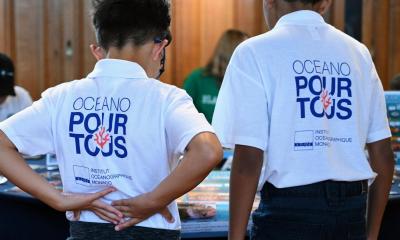
The Cuomo Foundation has partnered with the Oceanographic Institute of Monaco to inspire and connect young minds across continents through marine education; helping to develop an awareness of oceans, their biodiversity and the numerous issues associated with their protection.
The project is called “Océano pour tous” and was launched in 2014, as an annual competition to raise ocean protection awareness among younger generations.
Since its launch more than 1,000 young people from 37 schools have participated.
Global connections: Kovalam and Rome engage online
Two schools, supported by the Cuomo Foundation, participated in this year’s project.
In Rome, the Arvalia Music School, which has been funded by the Cuomo Foundation since 2024, brought together a group of fifteen young students between the ages of eleven and fifteen.
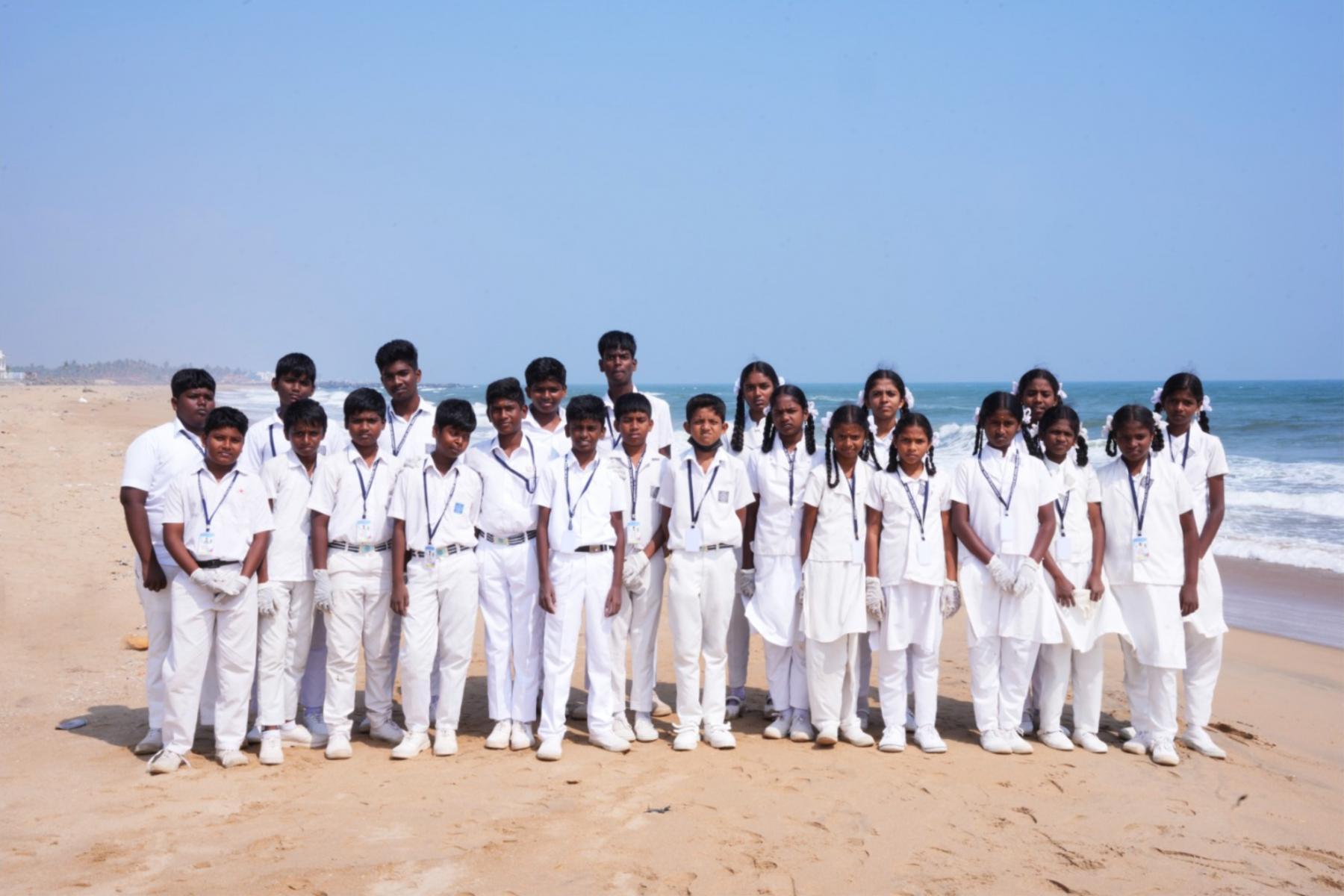
In Kovalam, southern India, a class of fourteen-year-old students from St Joseph’s Higher Secondary School, which the Cuomo Foundation built and has funded since 2001, also took part in the initiative.
The youngsters attended online workshops led by educators and specialists from the Oceanographic Institute of Monaco. Scheduled every 2 weeks, these 90-minute sessions introduced them to a range of marine species, their habitats and the threats facing the oceans. Each group then selected a research topic and produced a video presenting the results of its work.
The end-of-year project proposed by the pupils at St Joseph’s Higher Secondary School in Kovalam, India
Discovery and Exploration
The Arvalia Music School's students studied aquatic marine mammals and the noises that cetaceans, which includes whales, dolphins and porpoises, make underwater to communicate, navigate and hunt.
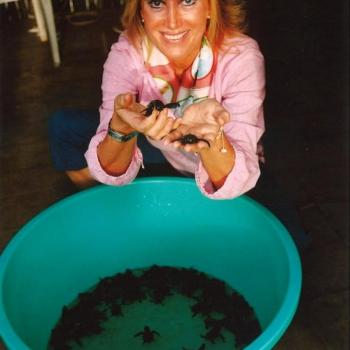
The students at St. Joseph's Higher Secondary School decided to research sea turtle conservation and nesting which occurs along the Tamil Nadu coast. They created a video outlining their methodology and research results.
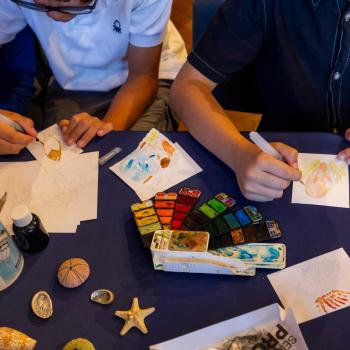
Before creating their final videos, both groups of students were able to explore and observe the habitats directly and conclude their research through the educational and recreational trips along their respective coastlines.
For these young people, the majority of whom were from disadvantaged backgrounds, this project provided a significant opportunity to investigate novel topics. In addition to the knowledge gained, the online workshops provided students with first time experience of working collaboratively with others, learning to connect academic concepts to firsthand experiences, to develop their curiosity and gain an understanding of the importance of environmental protection.
— Nina Orenga de Gaffory, Rome
The Coastal Squeeze
2026 Feb 03
A Partnership Supporting our Youth and our Seas
2025 Jun 03